

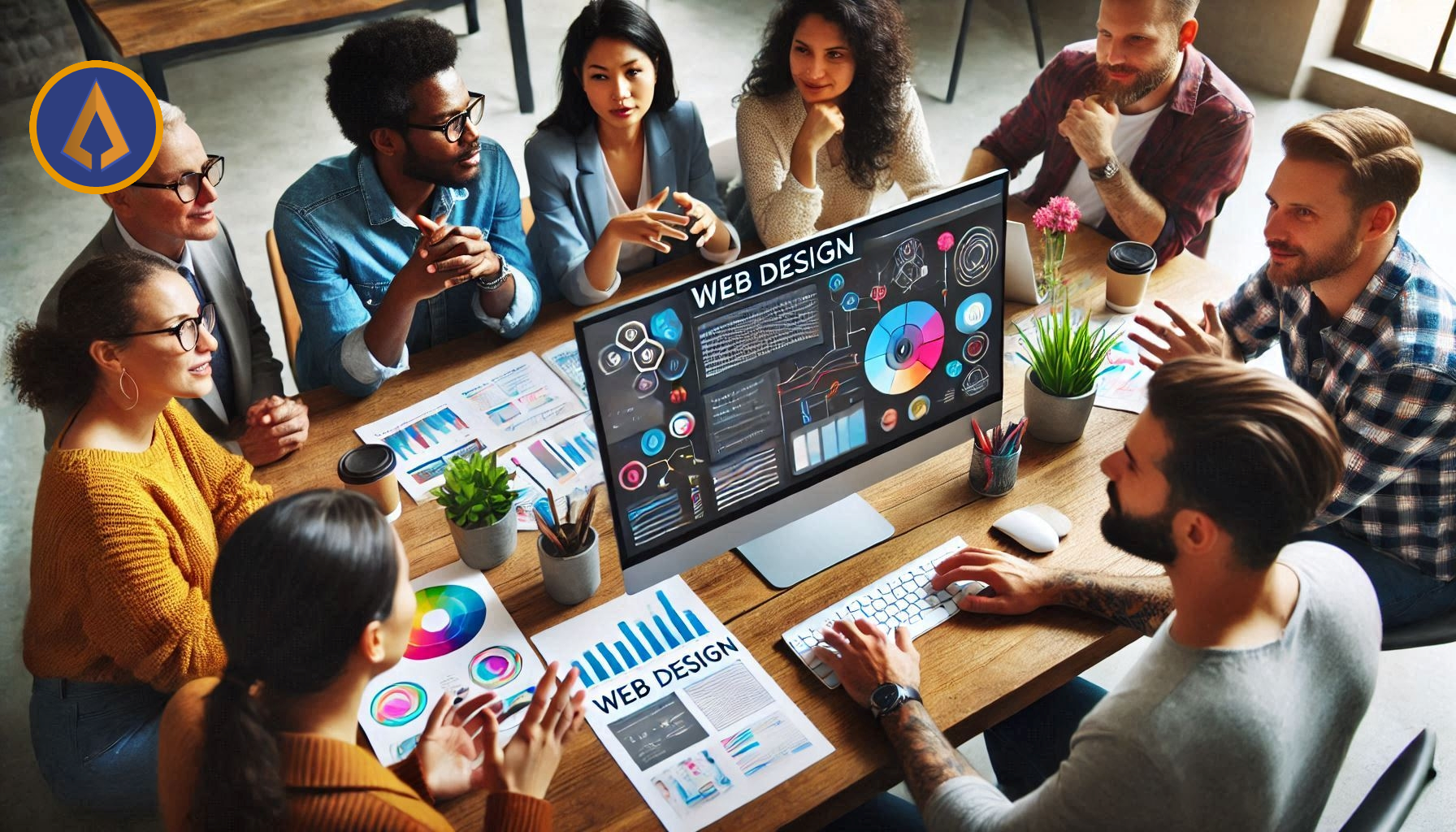
Web design is not merely about aesthetics or the surface-level look of a website. An intricate blend of art, science, and technology shapes how we interact with information online. This guide looks closely at web design. It explores its principles, processes, and how it affects user experience and business success.
Estimated reading time:
6 minutes
Updated:
Table of contents
What is Web Design?
At its core, web design is the creation of websites and digital interfaces. It involves planning, conceptualising, and arranging content intended for the internet. This includes everything from the layout, colors, and fonts to the user interface (UI) and user experience (UX) design.
Web design is more than just making things look nice. Creating a space that is easy to use is the focus. Users should be able to find what they need quickly and enjoyably.
Components of Web Design
- Visual Design: The aesthetic appeal of the site, including colors, images, layout, and typography.
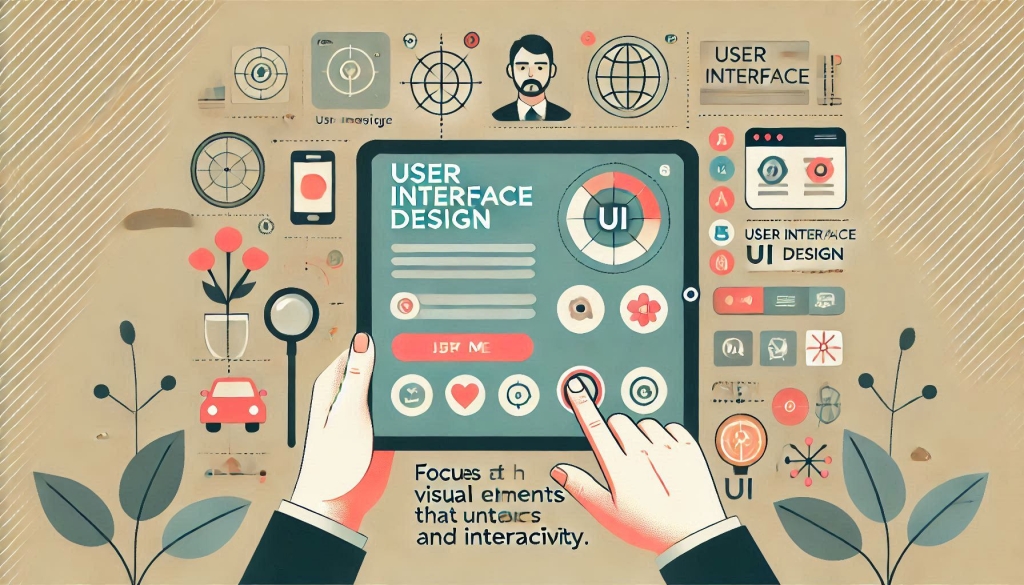
- User Interface (UI) Design: Focuses on the visual elements that users interact with, ensuring usability and interactivity.
- User Experience (UX) Design: Centers on the overall experience of the user, encompassing usability, accessibility, and satisfaction in navigating the site.

- Content Strategy: Deciding on the type, placement, and structure of content to communicate effectively with the audience.
- Search Engine Optimisation (SEO): Techniques used to make the site more visible on search engines, thereby improving organic traffic.
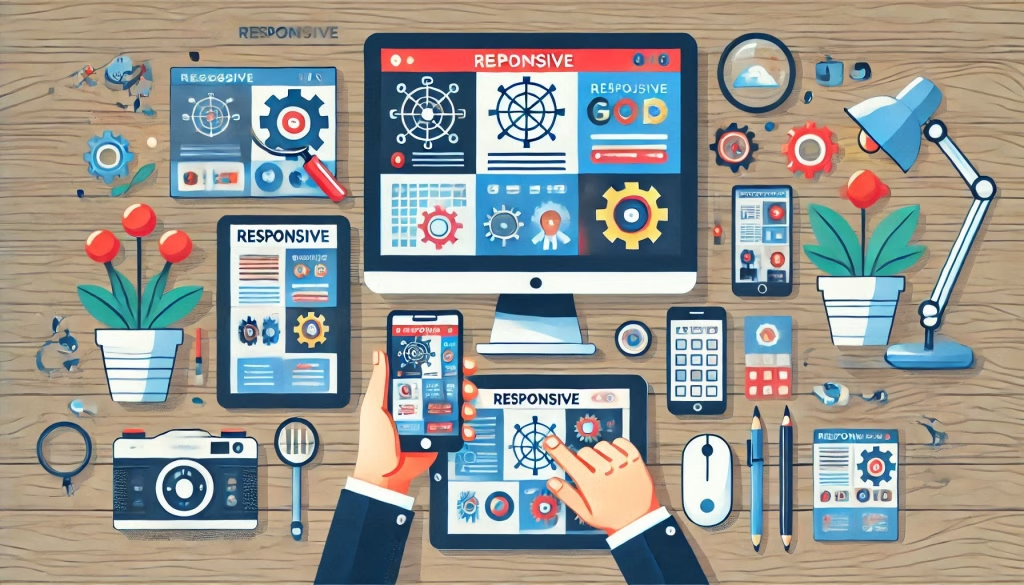
- Responsiveness: Ensuring the website looks good and functions well on all devices, from desktops to smartphones.
Historical Perspective
Web design has evolved significantly since the first website was launched by Tim Berners-Lee in 1989. Initially, websites were simple, text-based, and lacked the rich multimedia capabilities we now take for granted. Here are some key phases:
- The Static Web (1990s)
- Websites were predominantly informational, with heavy reliance on HTML for structure.
- The Rise of Flash (Late 1990s – Early 2000s)
- Flash animations added interactivity. However, they slowed down load times and made access harder.
- Web 2.0 (Mid 2000s)
- A shift towards user-generated content, social networking, and dynamic web applications.
- Mobile and Responsive Design (2010s)
- As more people used mobile devices, responsive design became important for different screen sizes.
- Modern Web Design (2020s)
- Focuses on speed, simplicity, accessibility, and user-friendly design. It uses technologies like CSS Grid and Flexbox, along with frameworks like React.
Design Principles
Understanding the foundational principles of design can significantly enhance the effectiveness of a website:
- Balance: Distributing elements evenly for stability and visual appeal.
- Contrast: Using differences in color, size, shape to draw attention to key elements.
- Emphasis: Highlighting the most important parts to guide the user’s focus.
- Rhythm and Repetition: Creating a sense of movement and consistency for user comfort.
- Proportion: Make sure to size the elements appropriately relative to each other.
- Unity: Making sure all parts of the design work together harmoniously.
The Design Process
Creating a website involves several stages in the web design process:
- Research and Planning
- Understand the target audience.
- Define goals for the website.
- Competitor analysing.
- Wireframing and Prototyping
- Sketch layouts to visualise the site’s structure.
- Develop interactive prototypes to test functionality.
- Design
- Choose color schemes, typography, and imagery.
- Design each page with UI components.
- Development
- Convert designs into functional code using HTML, CSS, JavaScript, etc.
- Ensure responsiveness across devices.
- Testing
- Usability testing for UX.
- Cross-browser and device compatibility checks.
- Performance optimisation.
- Launch
- Deploying the site to a live server.
- SEO optimisations
- Maintenance and Updates
- Regular content updates.
- Performance monitoring and tweaking
Tools and Technologies
Web designers employ a variety of tools:
- Design Tools: Adobe Photoshop, Sketch, Figma, Adobe XD.
- Prototyping Tools: InVision, Adobe XD, Figma.
- Front-end Development: HTML, CSS, JavaScript, frameworks like React or Vue.js.
- Back-end Development: Languages like PHP, Node.js, Python, or platforms like WordPress.
Trends in Web Design
Design trends evolve with technology and user behavior:
- Dark Mode: For reduced eye strain and an aesthetic shift.
- Microinteractions: Small animations that enhance user interaction.
- Voice User Interface (VUI): As voice search becomes more popular.
- Neumorphism: A subtle, soft design style emphasising light and shadow.
- Sustainability: Designing with an eye on energy efficiency and accessibility.
The Role of Web Design in Business
A well-designed website can:
- Enhance Brand Perception: A professional, user-friendly site reflects well on the brand.
- Increase User Engagement: Good UX/UI keeps users on the site longer.
- Boost SEO: Well-structured sites with optimised content rank better.
- Drive Conversions: Clear calls to action and navigational ease convert visitors into customers.
- Expand Market Reach: Making the site accessible and responsive taps into global audiences.
Challenges in Web Design
- Balancing Creativity with Usability: The design must be both visually appealing and functional.
- Keeping Up with Technology: New devices and standards require constant learning and adaptation.
- Accessibility: Ensuring that everyone, including those with disabilities, can use the site.
- Performance: Speed and efficiency are crucial for user retention.
Future of Web Design
The future of web design is likely to be shaped by:
- AI and Machine Learning: Personalising content and improving user interaction.
- Augmented Reality (AR): Blending physical and digital experiences directly through web browsers.
- More Dynamic Content: As internet speeds increase, richer, more interactive media will become standard.
- Ethical Design: Focus on privacy, sustainability, and inclusivity.
Conclusion
Web design is a dynamic field that sits at the intersection of technology, art, psychology, and business. Crafting experiences that are not only visually pleasing but also functional, accessible, and engaging is essential.
As we move forward, web designers will still be crucially important. They shape how we see and use the digital world. Every click, swipe, or voice command becomes part of a bigger, connected experience.
Web design is important for everyone. This includes new designers, businesses looking to enhance their online presence, and those interested in digital arts. Understanding web design will help you navigate the future of the internet.


Best responsive web design examples and design techniques — that’s…
Looking up what custom web design actually means? In simple…