


Looking up what custom web design actually means? In simple terms, it’s a website built from scratch around your brand, your users, and your goals—no generic templates. It blends UX/UI, SEO, performance, and responsive layouts so your site looks great and converts on any device.
Estimated reading time:
17 minutes
Updated:
Table of contents
- Understanding Custom Web Design
- Initial Consultation and Discovery
- Research and Strategy
- Wireframing and Prototyping
- Design and Branding Integration
- Custom Development and Coding
- User Experience (UX) and User Interface (UI) Considerations
- Testing and Quality Assurance
- Launch and Post-Launch Support
- Advantages of Custom Web Design
- Drawbacks of Using Website Templates
- Key Differences Overview
- Cost Comparison
- Time Investment Comparison
- Maintenance and Upgradability
- Long-Term Value and ROI
- Business Goals and Requirements Assessment
- Budget and Timeline Considerations
- Future Growth and Scalability
- Brand Differentiation Needs
- Choosing the Right Web Design Partner
Why do people choose it:
- Stand-out branding and storytelling
- Faster pages and higher conversion
- Flexible CMS and integrations
- Scales as your business grows
You’re probably asking: “Custom website design vs Template?“, “How much does it cost?”, “How long does it take?”, “Is it worth it?”. In this guide, we’ll break down the meaning, benefits, process, timeline, pricing, and how to pick the right partner—plus common mistakes to avoid and real-world tips.
Let’s dive into custom web design.
Understanding Custom Web Design
Definition of Custom Web Design
Custom web design means creating a website from scratch, tailored to your business or personal needs. With custom web design, everything from the layout to the features is made just for you. There is no use of pre-made templates or strict designs. Instead, designers and developers listen to your goals and ideas, and then turn them into a unique website. Custom web design usually involves a lot of planning, creative thinking, and close teamwork between you and the design team.
How Custom Web Design Differs from Templates
Custom web design is very different from using templates. Templates are pre-designed layouts that you can buy or use for free. Many sites use the same template. With custom web design, your website looks and works exactly how you want. You can change every small detail. Custom websites are made for your brand, your customers, and your special needs.
On the other hand, templates are quicker to set up and cost less, but you are stuck with what the template can do. It is harder to stand out when many people use the same designs. Custom web design gives you more freedom and better control.

Types of Custom Web Design
There are different types of custom web design based on what you need. Some common types include:
- Corporate websites: For businesses that need a professional online presence with custom branding and features.
- E-commerce sites: Custom e-commerce websites help you sell products online, with unique shopping carts and payment options.
- Portfolio websites: Artists, designers, and photographers often want a special layout to show their work.
- Blogs and media sites: Bloggers and news sites can get a custom design that matches their tone and content style.
- Landing pages: Special one-page websites are made to grab attention, often for marketing campaigns.
Each custom web design is different because it is built to fit your exact needs, style, and goals. That’s what makes it special and effective!
Initial Consultation and Discovery
The custom web design process usually starts with an initial consultation and discovery phase. Here, web designers or agencies meet with the client to understand their needs, goals, and target audience. This step is crucial because it helps both sides get on the same page. Designers ask key questions such as what the business does, who it serves, what problems the website should solve, and what competitors look like. The information collected here will guide all the following steps. Clear communication at this stage will prevent problems later.

Research and Strategy
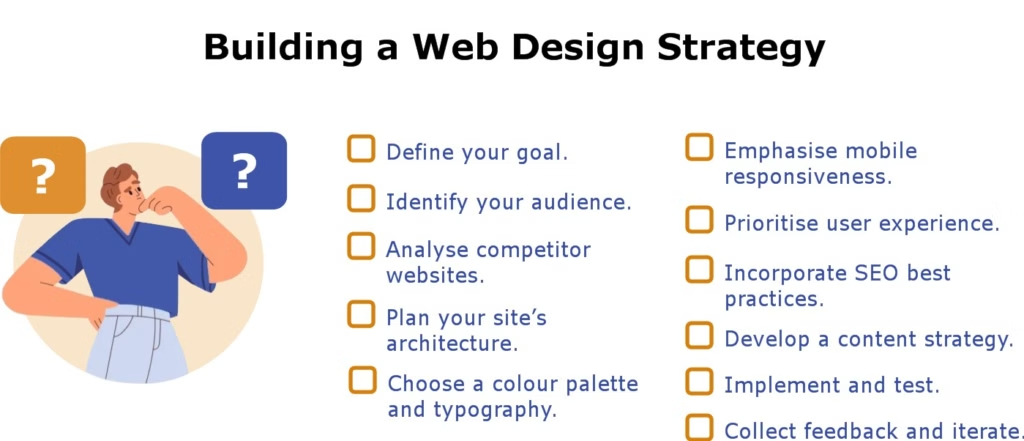
After the initial discovery, the research and strategy step begins. Web design teams analyse competitors, look at current market trends, and note what works well on similar websites. They also research keywords, user habits, and popular technologies. All this data is used to create a website strategy that aligns with the client’s business goals. This phase includes building a sitemap, deciding on the main content areas, and planning user journeys. A solid strategy sets the foundation for a successful project.
Wireframing and Prototyping
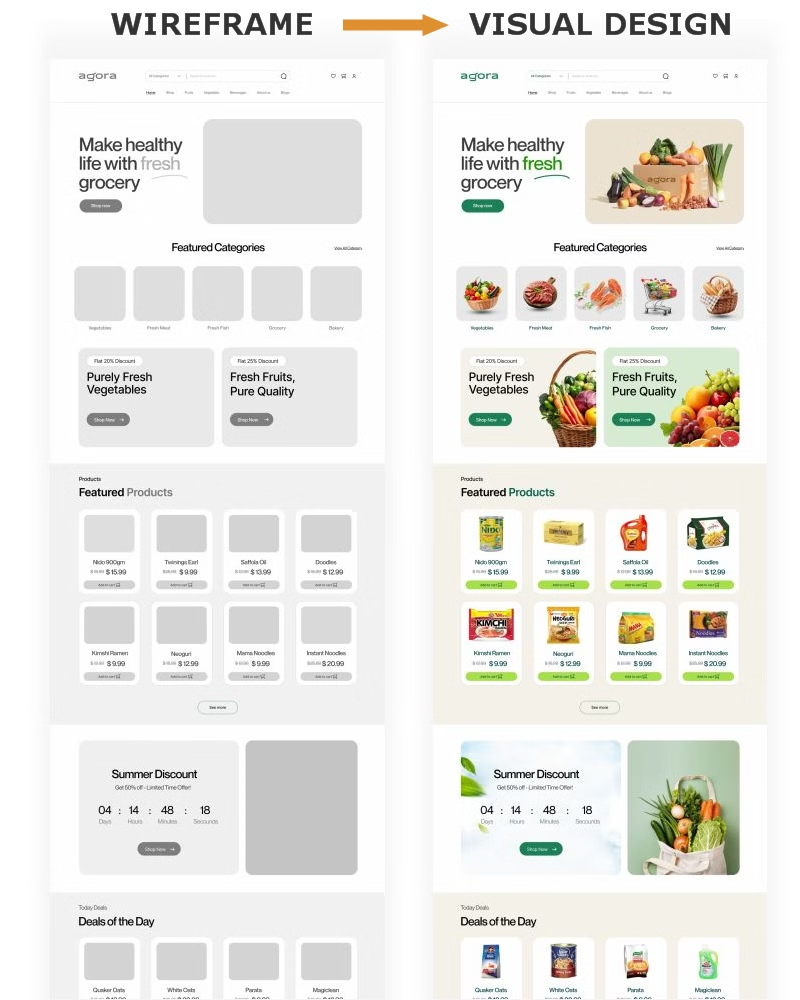
Wireframing and prototyping are the next phase. Wireframes are simple, black-and-white layouts that show where different elements will be placed on the web pages. They don’t have colours or pictures yet, but they help to spot any issues in structure and layout early. After wireframes are approved, designers can create interactive prototypes. Prototypes allow clients to click through pages and get a feel for how the site will work. This step saves time because it’s easier to make changes before development starts.
Design and Branding Integration
During design and branding integration, the website starts to look unique and professional. Designers add colours, fonts, logos, and images that match the business’s brand identity. This is also when the overall look and feel come to life. Every element is chosen carefully to reflect the company’s message and target audience. The goal in this step is to create a visually appealing design that strengthens brand recognition and trust.
Custom Development and Coding
Custom development and coding is where all the planning turns into a real, working website. Developers use programming languages like HTML, CSS, and JavaScript, and sometimes more advanced platforms, to build the site from scratch. This custom coding allows for unique features, smooth performance, and no unnecessary extras that slow things down. Unlike templates, everything is tailored to the client’s needs, making the website flexible and scalable.
User Experience (UX) and User Interface (UI) Considerations
User Experience (UX) and User Interface (UI) considerations are key throughout the custom web design process. Designers focus on making sure the website is easy to navigate and understand. Good UX means users can find information quickly, while strong UI ensures every button, menu, and form looks clear and inviting. This phase often uses feedback from prototypes and research to fix confusing sections and make the entire site enjoyable for visitors.
Testing and Quality Assurance
In the testing and quality assurance phase, the web team checks the website for bugs, broken links, and other errors. They test across different devices, browsers, and screen sizes to ensure everything works everywhere. Standard tests include speed tests, security checks, and form testing. Thorough quality assurance ensures a website is reliable and ready for public use.
Launch and Post-Launch Support
Once everything is tested and approved, it’s time for launch and post-launch support. The new website has been moved live onto the client’s official domain. After launch, web design teams often provide ongoing support to update content, fix problems, or add new features. This support ensures the website stays up to date and continues to perform well as the business grows.
This is a simple, step-by-step look at how custom web design projects usually get done, from the first chat to launch and beyond.
Advantages of Custom Web Design
Unique Visual Identity
A unique visual identity is one of the most important benefits of custom web design. With custom web design, your website is built from scratch just for your business. That means you can create a look and feel that really matches your brand, products, and services. You don’t have to settle for what everyone else is using. If you want a playful vibe or a professional, clean look, you get precisely what you want. This helps your site stand out and makes it memorable for your users. When people visit your website, they instantly recognise your style, colours, and logo, which makes your business easier to remember.
Flexible Functionality and Scalability
Flexible functionality and scalability are key reasons businesses choose custom web design. With a custom site, you are not limited by preset features like with templates. You can add whatever tools or interactive parts you need, whether it’s a special booking system, a unique shopping cart, or anything else. Plus, as your business grows, your website can easily grow too. Developers can add new pages, features, or entire sections without rebuilding the whole site. This flexibility saves you time and money in the future since you won’t outgrow your website quickly.
SEO Optimisation Potential
SEO optimisation potential is much higher with custom web design than with most templates. Custom designers and developers can build your website in a way that search engines really like, from clean code to fast load times. They can ensure your site’s structure, tags, and images are set up for the best SEO results. Most templates include unnecessary elements that can slow down your site or hinder SEO. With a custom site, you have complete control to make sure your website ranks as high as possible and gets noticed by more people searching online.
Enhanced User Experience
Enhanced user experience is another top advantage of custom web design. Custom-built websites can be designed to match exactly what your visitors need and expect. This means easy navigation, logical layouts, and a flow that feels natural for your target audience. When people enjoy using your site, they are more likely to stay longer, come back again, and recommend it to others. Custom design also lets you remove anything confusing or unnecessary, so your users won’t get frustrated. A good experience keeps people happy and helps you reach your business goals.
Better Performance and Speed
Better performance and speed come standard with custom web design. Templates often include a lot of extra code and features you might not need, which can slow your site down. Slow websites cause visitors to leave quickly and can hurt your search engine ranking. With custom web design, your site is optimised to load quickly and run smoothly. Developers ensure every part is necessary and efficient, so your pages and images load quickly, even for people with slow internet or on mobile devices. Fast sites make for happy customers.
Brand Consistency and Recognition
Brand consistency and recognition get a considerable boost from a custom web design. Every detail on your website—from fonts to buttons to how images are shown—matches your branding across social media, print, and everywhere else. When everything lines up visually and emotionally, customers start to trust your business more. Consistency helps your business look more professional and keeps your brand recognisable, whether someone finds you online, sees your ad, or visits your store. It’s much harder to maintain this level of consistency with ready-made templates.
Ownership and Control
Ownership and control are powerful benefits of choosing custom web design. When you invest in a custom site, you own everything, including the design and the code. You don’t have to worry about your site looking like someone else’s or facing limits on how much you can change. If you want to move your site to another host or make significant changes, you’re free to do so. With templates, you often have to work with a third-party service, and sometimes, you can’t even access essential parts of your site. With custom design, you have complete control—now and for the future.
Drawbacks of Using Website Templates
Design Limitations
Design limitations are a significant drawback of using website templates. Most website templates come with pre-made layouts and set visual elements. You can only change colours or switch a few images, but you can’t really change how things look or where sections go. This makes it hard to stand out or create a design that perfectly fits your brand. Many templates also lock you in with their grid or column structure. If you want a special feature or a unique layout, you’ll likely run into restrictions. This is why many brands outgrow templates as their needs change.
Issues with Uniqueness and Branding
Issues with uniqueness and branding are common when using ready-made website templates. Templates are sold to thousands of people, which means your website could end up looking just like dozens of others. Even if you swap images and text, your site might feel generic. This is a significant setback for branding, as your website is often the first impression visitors have of your brand. If your brand message is important or you want to be memorable, using a template risks blending in rather than standing out.
Limited Customizability
Limited customizability is another major problem with templates. While templates let you make basic edits, such as changing text and colours, many features aren’t fully customisable. If you want to add a special slider, change the menu style, or tweak how the site works on mobile, you’ll often hit a wall. Extra changes sometimes need custom code, which defeats the purpose of using a template for simplicity. Over time, this can be really frustrating for business owners who want more control.
Potential SEO Challenges
Potential SEO challenges can also come from using website templates. Not all templates are built with SEO best practices in mind. Some may load too many scripts, use messy HTML, or experience slow load times, which can hurt your search engine rankings. If the template uses lots of images or heavy animations, your website could run more slowly, making it harder to rank high in Google. Also, templates often don’t give you complete control over URL structure, meta tags, or other essential SEO settings.
Template Performance Concerns
Template performance concerns should not be ignored. Many templates are packed with extra features to appeal to a wide range of people. This can include unused plugins, heavy libraries, and complex effects. All these extras slow down the website and can cause bugs or conflicts. Slow websites are frustrating for users and can turn visitors away. Also, when everybody uses the same template, overloaded support forums or outdated updates can be a problem too.
Maintenance and Update Restrictions
Maintenance and update restrictions can be a headache when it comes to templates. Template creators update their products to fix bugs or add features, but you can only get those updates through the original seller. If you change your template with custom code, updating it can break your site. Sometimes developers stop supporting older templates, leaving you stuck if there’s a security issue or a new web standard to meet. This means you have less control over your website’s future.
Keeping your site secure and running smoothly is much easier when you have a custom-built site or a strong developer on your team.
Key Differences Overview
Key differences between custom web design and templates can really affect how your website looks and works. Custom web design means your site is built for you from scratch. Everything is unique, made to fit your brand’s needs, and you get a say in every little detail. Website templates are like ready-made designs you plug your content into. It’s much faster, but your site could look like many others.
Custom web design stands out because it can match your company’s identity 100%. You have more choices for features, layout, and style. On the other hand, templates make things quick and easy but leave less room for change and fresh ideas.
Templates save a lot of time at the start and work best if you have a tight budget or need something live fast. But when your business wants to stand out and maybe offers special functions or an online shop, a custom site is often the better choice for that unique touch.
Cost Comparison
Cost comparisons between custom web design and templates are among the most significant factors in people’s choice between the two. Custom web design is usually much more expensive. That’s because you pay for a designer and developer to make everything just for you. Prices can range from a few thousand to tens of thousands of dollars.
Website templates are much cheaper. Sometimes you only pay the template price, which could be as low as $50. Many website builder platforms even include free or low-cost themes. But remember, you might pay extra if you want additional features or help setting up your template site.
In the long run, a custom website can save money if you don’t have to keep paying for add-ons or rebuilding your site as you grow. Templates look cheap at first, but can end up costing more if you need significant changes.
Time Investment Comparison
Time investment is also different for custom web design and templates. Custom web design takes longer because you start from zero. The process often takes several weeks or even months. Each step, planning, designing, building, and testing, takes a long time to complete.
With templates, you get a site running much faster. Sometimes you can have a site ready in just one day. All you do is choose the template, add your info, and you’re ready. This is great for quick launches or for businesses that need to move fast.
However, if you want to change a template often, that can take more time. Custom sites take longer up front, but you get exactly what you want, while templates are faster if you’re happy with what’s already there.
Maintenance and Upgradability
Maintenance and upgradability are essential to keep your site working well. Custom web design usually gives you more power to make changes, updates, and add new features because you control the code. This means it’s easier to grow or upgrade without having to start over.
Website templates, however, sometimes make it tricky to upgrade. Templates often depend on the original developer or theme provider for updates. If you want new features or the template stops working with new software, you might have a hard time fixing it.
Custom designs can be updated and expanded as your business grows. Templates require less maintenance at the start, but they might struggle to keep up if your business changes frequently.
Long-Term Value and ROI
Long-term value and ROI (Return on Investment) really show the difference between custom web design and templates. Custom web design often delivers more value as your business grows. The unique look and special features can help you attract more visitors, keep them on your site longer, and stand out from your competitors. You also have complete ownership and flexibility to adjust and improve your site over time, making your investment go further.
Website templates give instant results for less money, but their value can drop if you outgrow them. Suppose you end up needing to completely rebuild your site or fix its limitations, which lowers your long-term return on investment. Templates get you moving fast, but custom web design is often a better choice for lasting value if you’re serious about your brand and business growth.
Business Goals and Requirements Assessment
Assessing business goals and requirements is the first step before deciding whether custom web design is right for you. Start by asking what you want to achieve with your website. Do you need a simple site to showcase your services, or something more complex, like an online store with many features? Custom web design lets you build your website around your unique goals. If you want special integrations, custom forms, or have a particular target audience, a custom-designed site will serve you better. Understanding your business needs now and for the future is key. Write down your website must-haves and nice-to-haves, so you know what features are essential.
Budget and Timeline Considerations
Budget and timeline considerations play a significant role in your web design choice. Custom web design often costs more than using a ready-made template, but you get more control and unique features. If your budget is limited or you need your site launched quickly, a template might be a better fit. On the other hand, if you’re willing to invest more time and money in a site that perfectly matches your brand, then custom web design is the way to go. Think about how much you can spend now versus the long-term value you will get. Also, ask the designer how long the custom process will take so you can plan your launch.
Future Growth and Scalability
Future growth and scalability are easier to achieve with custom web design. If you expect your business to grow or plan to add more features over time, a custom site can be built with expansion in mind. You can create a solid foundation that handles more products, users, or locations without needing to rebuild everything later. Custom web design gives you the flexibility to add new tools and functions as your needs grow. Templates are often limited and not designed for many changes or scaling up, which can slow you down if your business takes off.
Brand Differentiation Needs
Brand differentiation needs are crucial if you want your business to stand out. Custom web design lets you create a website that genuinely matches your brand’s style, voice, and personality. With templates, your site may look like many others. But with custom, every detail can be tailored to make your business unique. If your brand identity is strong or you want to be remembered by your visitors, a custom design is the best choice. You get complete control over layout, colours, and overall feel, making it easier for people to recognise and remember your brand.
Choosing the Right Web Design Partner
Choosing the right web design partner will affect your entire project. Look for designers or agencies with experience in custom web design. Check their portfolio and read reviews from past clients. A good partner will listen to your needs, explain the process clearly, and communicate openly. Make sure they understand your business goals, budget, and timeline. Ask for examples of similar projects and make sure they offer support even after the site launches. Picking the right partner gives you peace of mind and improves your chances of getting the website you really want.


Web design is not merely about aesthetics or the surface-level…

Best responsive web design examples and design techniques — that’s…